
Raúl del Chano and the art of weaving the territory for Suárez
2026/06/12
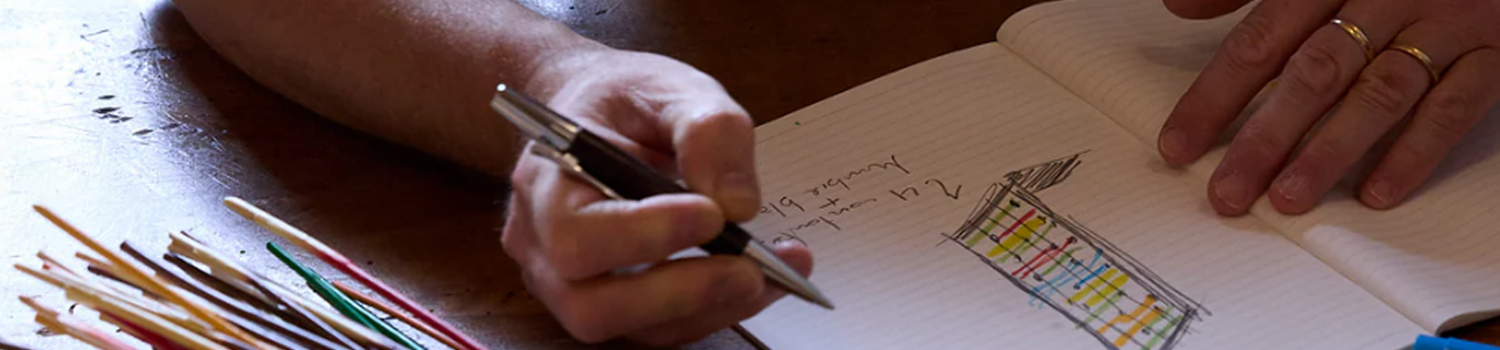
Contemporary craftsmanship finds one of its most personal expressions in the work of Raúl del Chano, a creator from Teruel specializing in the use of natural fibers, who is featured in one of the collaborations of the project "The Craft of Creating," promoted by Suárez for its spring/summer 2026 window displays. This initiative brings together various Spanish artisans with the aim of highlighting manual processes, the time dedicated to creation, and the intimate relationship between material and craft.
For this collaboration, Raúl del Chano has developed a series of tapestries inspired by the landscapes and memories that form part of his creative universe. The colors of summer in Teruel, such as the white of the wicker, the green of the riverbank, the blue of the sky, and the golden tones of wheat and poppies, are transformed into woven compositions that evoke the territory from an emotional and profoundly contemporary perspective.
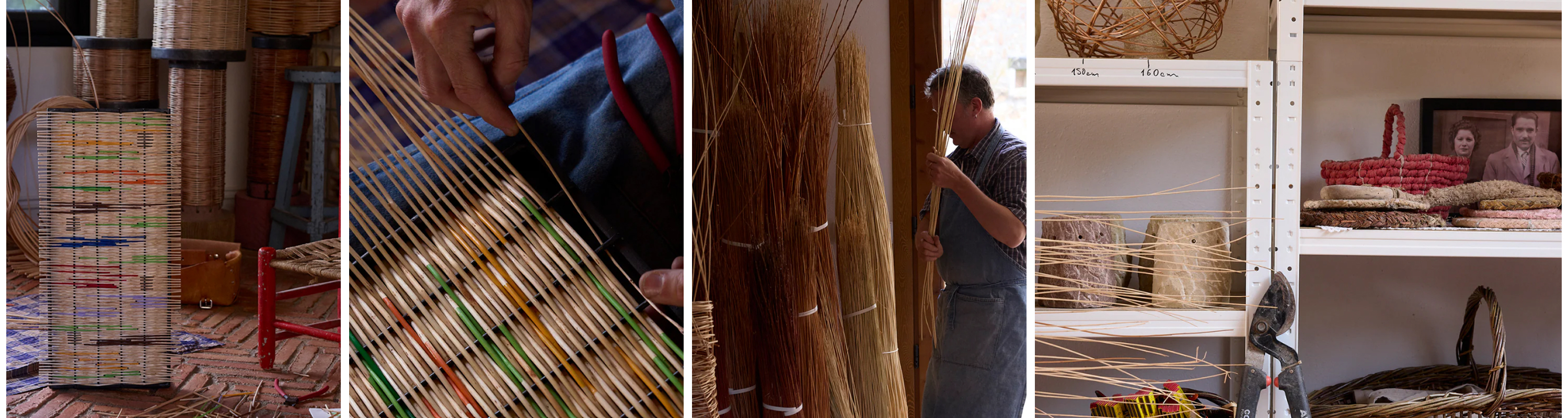
The creative process begins with working with selected white wicker, treated using traditional techniques. The fibers are interwoven over wrought iron structures, resulting in pieces that combine lightness and strength, tradition and experimentation. Color emerges as a contemporary gesture, offering new interpretations of materials historically linked to folk art.
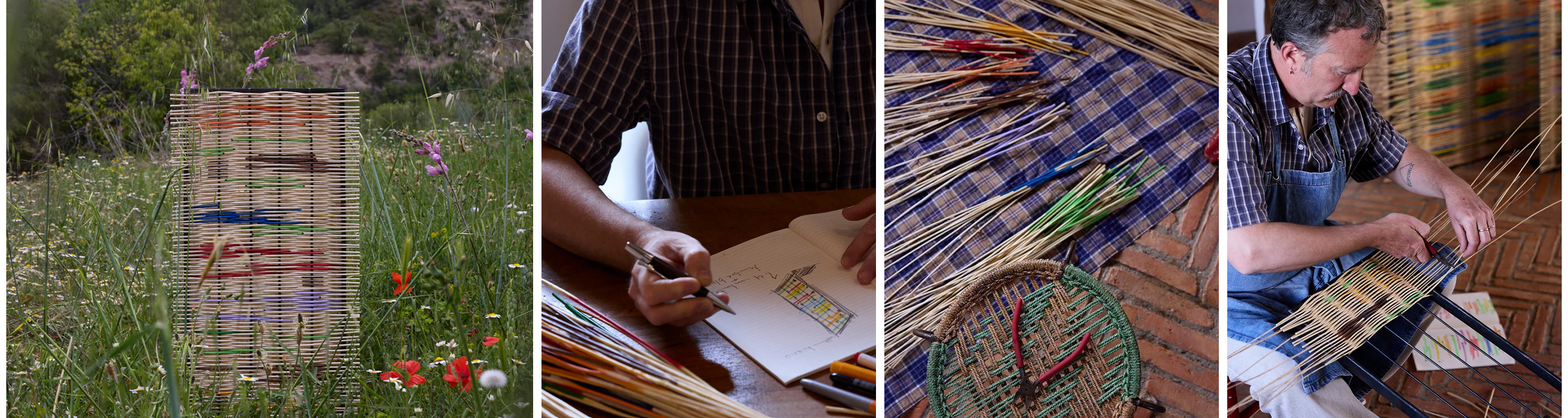
In Raúl del Chano's work, iron plays a fundamental role. Beyond its structural function, it serves as a tribute to the strength of the generations who historically inhabited the territory from which the artisan hails. Wicker, for its part, contributes a sense of plant life, texture, and an organic sensibility that connects each piece to the landscape that inspires it.
The result is works that transcend mere decoration, becoming visual narratives about belonging, identity, and the relationship between humankind and its environment. It's a way of understanding creation in which craftsmanship is not limited to preserving traditional techniques, but rather projects itself into the present as a living language capable of engaging with disciplines as diverse as design, architecture, and jewelry.
Image source: www.joyeriasuarez.com